News.
Happy Doctor's Day! @1/7/21

Dr. Bidhan Chandra Roy (1 July 1882 - 1 July 1962)
“Before saying that you are an extraordinary Doctor, we want to tell you that you are an extraordinary Human being. Thanking Doctors for showing care and concern is never enough.”
When one opts for medicine, they are not opting for a career option that is like any other. At a time when their peers are settling in their respective careers, they are consumed in thick medical books, preparing for their grueling exams. When their peers are going the family way, they are busy working the 18-hour shift. And when their peers are cheerily talking about their retirement plans, they are still finding their ground in their profession. All said, we cannot draw an accurate picture of what it is like being a doctor.
If people did not recognise the importance of Doctors before; they are certainly learning just how much they contribute to society, amid the Coronavirus Pandemic. While we are self isolating, it is the Doctors who are constantly fighting for the lives of people who have been infected with the deadly virus. Doctor’s Day is an attempt to accentuate their importance and to show our gratitude by commemorating one of their greatest representation.
Doctors are the most ingenious inspirer of hope. Given the present pandemic situation it has been instilled into everyone’s mind that not all soldiers carry weaponry but some carry stethoscopes and scalpels too. The first declaration Doctors make is "I solemnly pledge myself to consecrate my life to the service of humanity."
Doctor’s day is celebrated to recognise the contribution of doctors who work relentlessly to save the lives of their patients. While Doctor’s Day is celebrated by many countries across the world on different days, it is celebrated in India on July 1 to mark the birth and death anniversary of the legendary physician Dr.Bidhan Chandra Roy, who made immense contributions to the cause of the promotion of science. Dr.Roy served as a physician to Mahatma Gandhi and was later elected as the second Chief Minister of West Bengal. After becoming CM, he accorded top priority to the treatment of poor and needy patients.
In its obituary, the British Medical Journal described Roy as the “first medical consultant in the subcontinent of India, who towered over his contemporaries in several fields”. It also said, “… at his professional zenith he may have had the largest consulting practice in the world". Widely credited with making quality health services available to common people, he played an instrumental role in the creation of two prestigious medical institutions in the country — the Indian Medical Association in 1928 and the Medical Council of India, of which he was the first president, between 1939 and 1945. He also helped kickstart the Indian Institute of Mental Health, the Infectious Disease Hospital and Kolkata’s first-ever postgraduate medical college.
When you save the life of a person and see them making a difference to humanity, you realise the magnitude of change that a Doctor can effect by efforts. That is a very satisfying feeling. Things get tougher when professional commitment of being available 24x7 as well as engage in continual academic learning of the latest advancements in medicine. One needs seemingly unlimited stamina to consistently deliver the best to patients.
Most difficult part of being a doctor is to choose between family and patients because we at the frontline are at maximum risk and can transmit it to the family. But they voluntarily choose patients due to the passion to save lives and this is what is the need of the hour.
The COVID situation has seen teams of doctors in the ICU propel themselves beyond their limits to go that extra mile to treat the critical patients. The toughest point comes when they lose a patient in spite of doing everything possible. At times like these, it is the patients who recover and the smile on their faces as they are discharged; that motivates Doctors to continue to fight to save lives.
While good care is being provided to patients suffering from COVID-19, the toughest part about being a doctor in these times is to see the physical and emotional pain that a patient and their families go through during the recovery process. But all that is worth the effort when you experience the gratification upon interacting with the family of a healing patient, and when you save a life. That moment seals a bond between you and the patient’s family and they become a part of your own family. Your tireless efforts are not going unnoticed. Thank you.
The Cardiological Society of India, Telangana Chapter is offering telephonic advice and guidance in situations like the recently witnessed pandemic to general public by introducing a Toll Free Number: 18005993098.
World Hypertension Day: An Address by our President. @17/5/21

Good Morning everyone, I am Dr. K.Narasa Raju; Director Cath Lab and Senior interventional Cardiologist, Department of Cardiology at Apollo Hospital, Hyderguda, Hyderabad. I am here to talk to you regarding the World Hypertension Day which is celebrated every year on 17th May, globally to create awareness regarding the importance of high Blood Pressure (BP) and Cardiovascular disease among the public.
*This year’s theme* —Measure Blood Pressure accurately, control it & Live Longer.
This year’s theme focuses on combating low awareness rates worldwide, especially in low to middle income areas and accurate Blood Pressure measurement methods.
What is the Significance of World Hypertension Day?
World Hypertension Day is a day designated and initiated by the World Hypertension League, (WHL) which is itself an Umbrella to organizations of 85 National Hypertension societies and leagues. This day is Initiated to increase awareness of Hypertension. This day is an important day especially because of the lack of appropriate knowledge among hypertensive patients. The recommended blood pressures are less than 140/90 mm/Hg for the general population and for the hypertensive population without any complications. The recommended Blood Pressure for Hypertensive population with diabetes or chronic kidney disease is 130/80 mm/Hg. These are the cut-off values recommended by various International and also Indian Guidelines.
The havoc uncontrolled BP can cause-
Hypertension that is really out of control could lead to a tear in blood vessel. It could lead to swelling in the brain, heart attack, stroke, permanent blindness and contribute to heart failure and kidney failure. Awareness and diagnosis are key. Many patients can be without any symptoms for years without ever knowing that they have high Blood Pressure. Hence early recognition by at least one BP measurement once every year is a must for all.
Measurement of BP
BP is measured in both arms with an appropriate-sized arm cuff. Both numbers in a blood pressure reading are important. But after age 50, the systolic reading is even more important. Isolated systolic hypertension is a condition in which the diastolic pressure is normal (less than 80 mm Hg) but systolic pressure is high (greater than or equal to 130 mm Hg). This is a common type of high blood pressure among people older than 65. Because blood pressure normally varies during the day and may increase during a doctor visit (white coat hypertension), your doctor will likely take several blood pressure readings at three or more separate appointments before diagnosing you with high blood pressure.
Taking your blood pressure at home
Your doctor may ask you to record your blood pressure at home to provide additional information and confirm if you have high blood pressure.Home monitoring is an important way to confirm if you have high blood pressure, to check if your blood pressure treatment is working or to diagnose worsening high blood pressure.Home blood pressure monitors are widely available and inexpensive, and you don't need a prescription to buy one. Home blood pressure monitoring isn't a substitute for visits to your doctor, and home blood pressure monitors may have some limitations. Make sure to use a validated device, and check that the cuff fits. Bring the monitor with you to your doctor's office to check its accuracy once a year. Talk to your doctor about how to start checking your blood pressure at home. Devices that measure your blood pressure at your wrist or finger are not recommended because they can provide less reliable results.
Tests
If you have high blood pressure, your doctor may recommend tests to confirm the diagnosis and check for underlying conditions that can cause hypertension.
• Ambulatory monitoring. This 24-hour blood pressure monitoring test is used to confirm if you have high blood pressure. The device used for this test measures your blood pressure at regular intervals over a 24-hour period and provides a more accurate picture of blood pressure changes over an average day and night. However, these devices aren't available in all medical centers, and they may not be reimbursed.
• Lab tests. Your doctor may recommend and blood tests, including a cholesterol test.
• Electrocardiogram (ECG or EKG). This quick and painless test measures your heart's electrical activity and the effects of high BP on heart.
• Echocardiogram. Depending on your signs and symptoms and test results, your doctor may order an echocardiogram to check for more signs of heart disease. An echocardiogram uses ultrasound waves to produce images of the heart.
Lifestyle factors are perhaps the biggest driver of Hypertension. We at the Cardiological society of India, Telangana Chapter recommend several ways to keep it in a healthy range. Those include:
1.) Eating a well-balanced Diet that is low in salt.
2.) Limiting Alcohol to two Drinks a day for Men and one for Women.
3.) Exercising about 30 minutes a day, at least Five Days a week.
4.) Quitting smoking.
5.) Losing weight if your body mass index is over 25.
6.) Cutback from Foods High in total and unsaturated fat, processed foods, sugar, salt, carbohydrates and caffeine
7.) Consumption of Fruits and Vegetables, which are high in antioxidants; whole grains, High protein foods like unsalted Nuts, Foods High in Pottasium and Magnesium like leafy greens or beans.
8.) Consumption of calcium rich foods like low sugar Yogurt.
9.) Reduce stress.
10.) Take prescribed medication.
11.) Having a good quality sleep.
To reduce cardiovascular disease and stroke risk, no stones must be left unturned to fight Hypertension.
Telangana Heart House Opens! @7/2/21
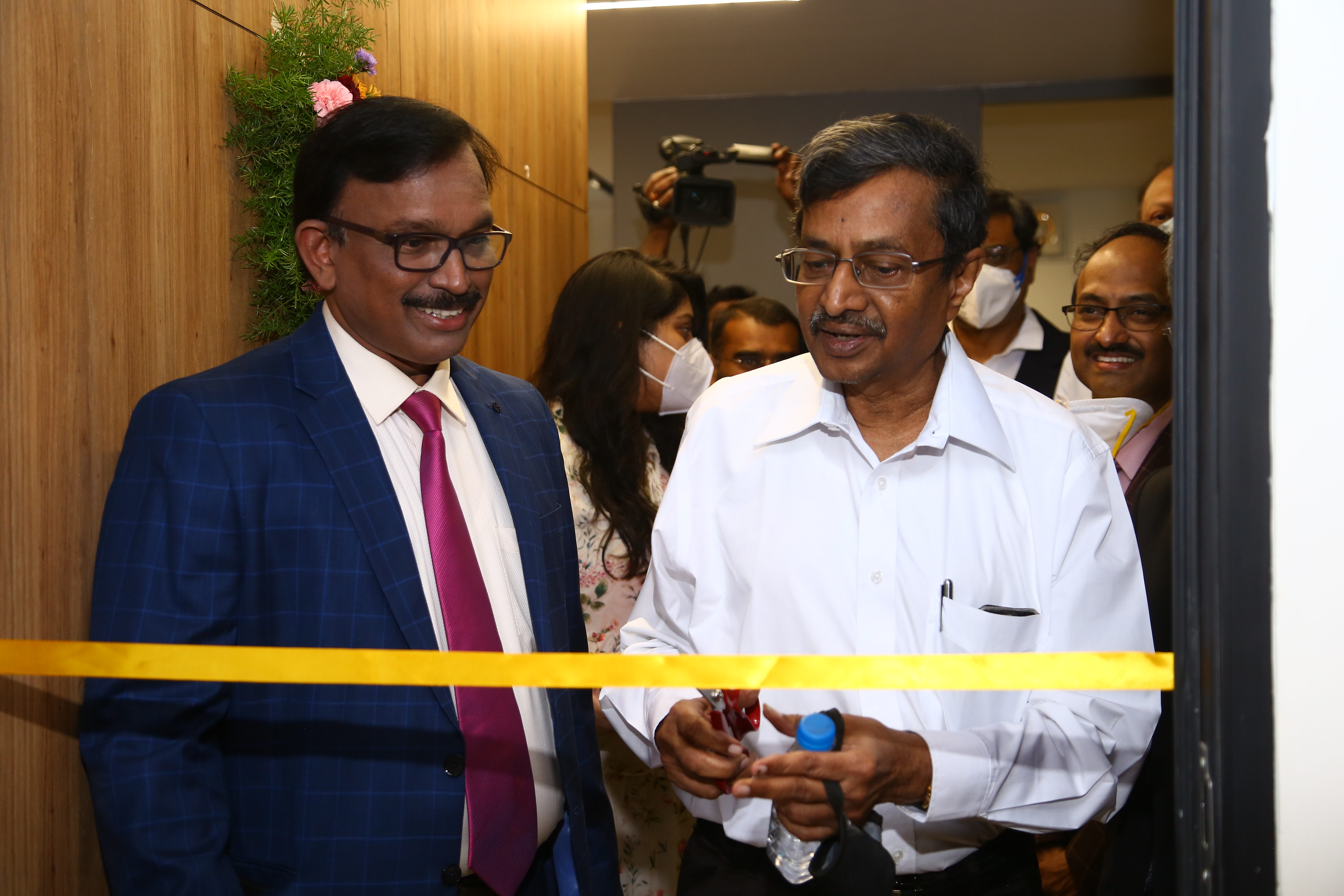
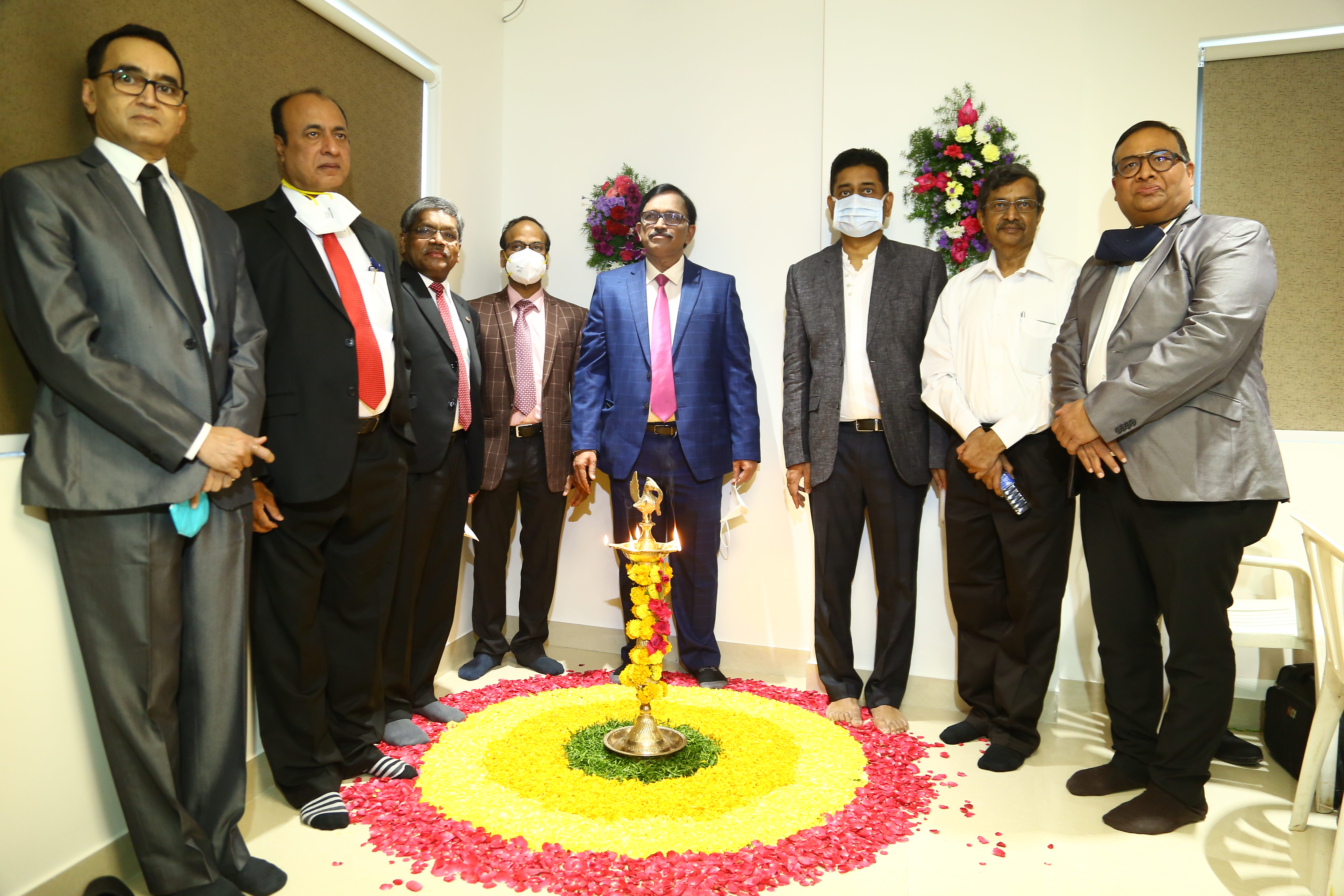
We opened our own offices to provide cardiological consultations, free of cost twice a week. The cost of building was borne by our estemmed members. We are grateful to all of them for their generous contributions. These new premises are at the Telangana Heart House on Road number 10, Jubilee Hills.
This new building was inaugurated by the President of the CSI, Dr. P.P. Mohanan, in the presence of the senior members of CSI’s Telangana chapter. The president of CSI, Telangana Chapter, Dr. K. Narasa Raju said that the new building will help guide upcoming young cardiologists, especially from Telangana, in their profession. He thanked senior members of the Society for their support in establishing the new facility. Secretary, CSI, Dr Rajiv Garg, Treasurer, Dr Sridhar Reddy Peddi, and other officer bearers of the CSI were present.